
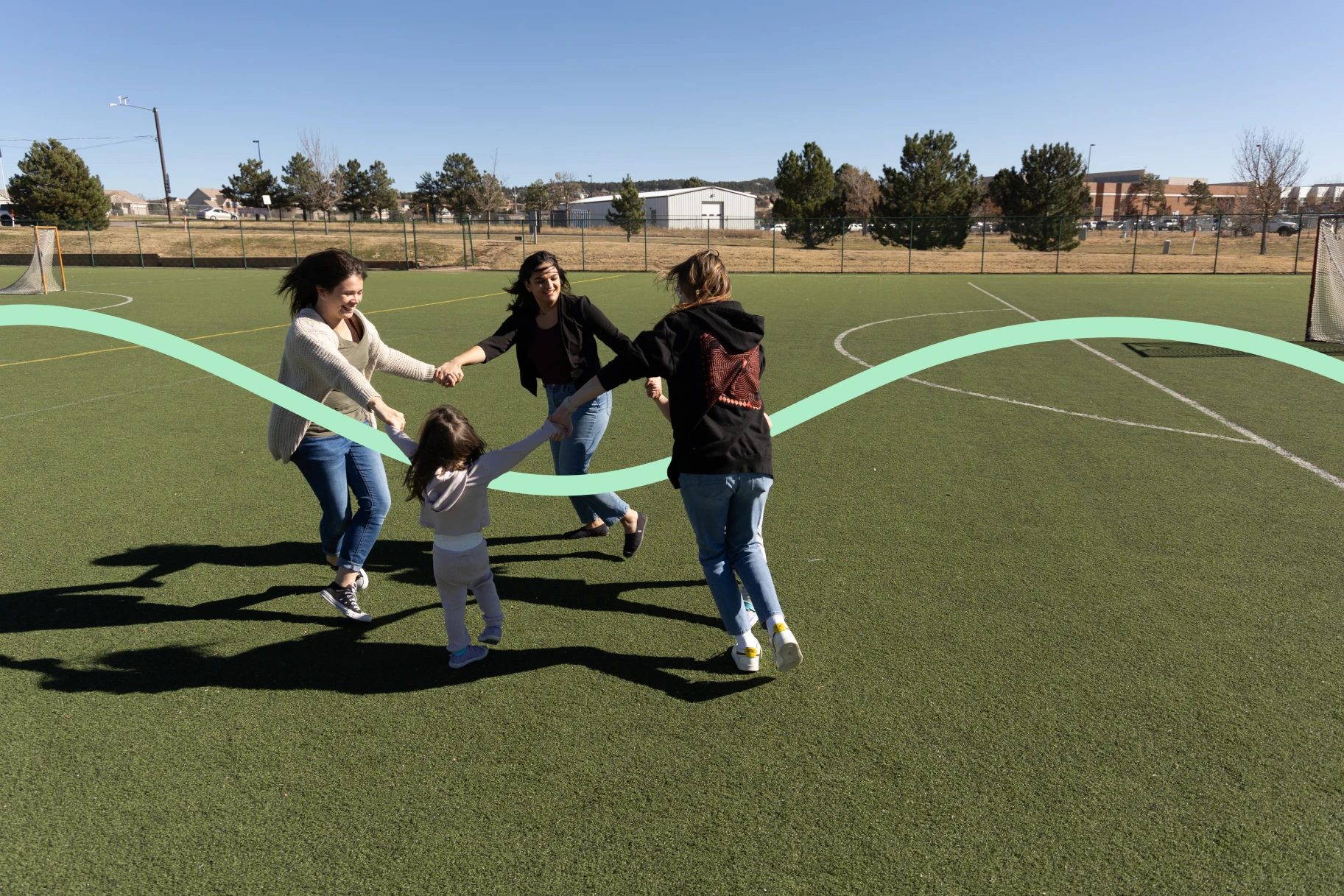
Pediatric physical therapy
Physical therapy helps children build the strength, coordination, and movement skills they need to participate in everyday life—at home, at school, and in the community. Woven Care’s PT program supports children from infancy through adolescence with gross motor development, orthopedic recovery, and a wide range of movement and developmental needs.
With over 15 years of experience, Woven Care provides the highest quality pediatric therapy across Colorado from our clinics in Aurora, Colorado Springs, Fountain, Monument, and Pueblo.

The team here is outstanding, professional, compassionate, and attentive. Every interaction has been positive, and it's clear they prioritize high-quality care and communication. The clinic itself is clean, calm, and well-run. I would confidently recommend this practice.

Services:
What physical therapy can help with
Woven Care’s physical therapists support children with a wide range of movement and developmental needs, including:
- Gross motor milestones like sitting, crawling, standing, or walking
- Balance challenges or frequent falls
- Coordination and body awareness
- Strength, endurance, and low muscle tone
- Toe walking or other gait differences
- Posture, body alignment, or scoliosis
- Torticollis and plagiocephaly
- Post-operative recovery or return to activity after orthopedic injury
- Participation in sports, play, and community activities
Physical therapy at Woven Care is available for children with a wide range of diagnoses, including cerebral palsy, Down syndrome, muscular dystrophy, spina bifida, developmental delay, genetic and neurological diagnoses, and more. PT is not limited to children with a specific diagnosis, support is available for any child who would benefit from building skills.
Woven Care’s approach to physical therapy

Play-based and goal-driven
Woven Care’s physical therapists use play and purposeful movement activities to build skills in a way that is engaging and motivating for children. Goals are set collaboratively with families and are always focused on what matters most: helping children move with greater confidence and participate more fully in the activities they love.

Personalized to every child
Every program begins with a thorough evaluation of the child’s movement, strength, and functional skills. The team builds an individualized treatment plan around each child’s specific needs and family goals, adjusting continuously as the child progresses.

Family and caregiver involvement
Families and caregivers play an active role throughout the PT process. Woven Care’s therapists explain what they are working on and why, share progress clearly, and provide home strategies that support skill carryover between sessions.

Coordinated with the full care team
When a child is also receiving applied behavior analysis (ABA), speech therapy, or occupational therapy, Woven Care’s physical therapists coordinate directly with those teams. One care plan, one location, and one team working together means progress is reinforced across every area of development.
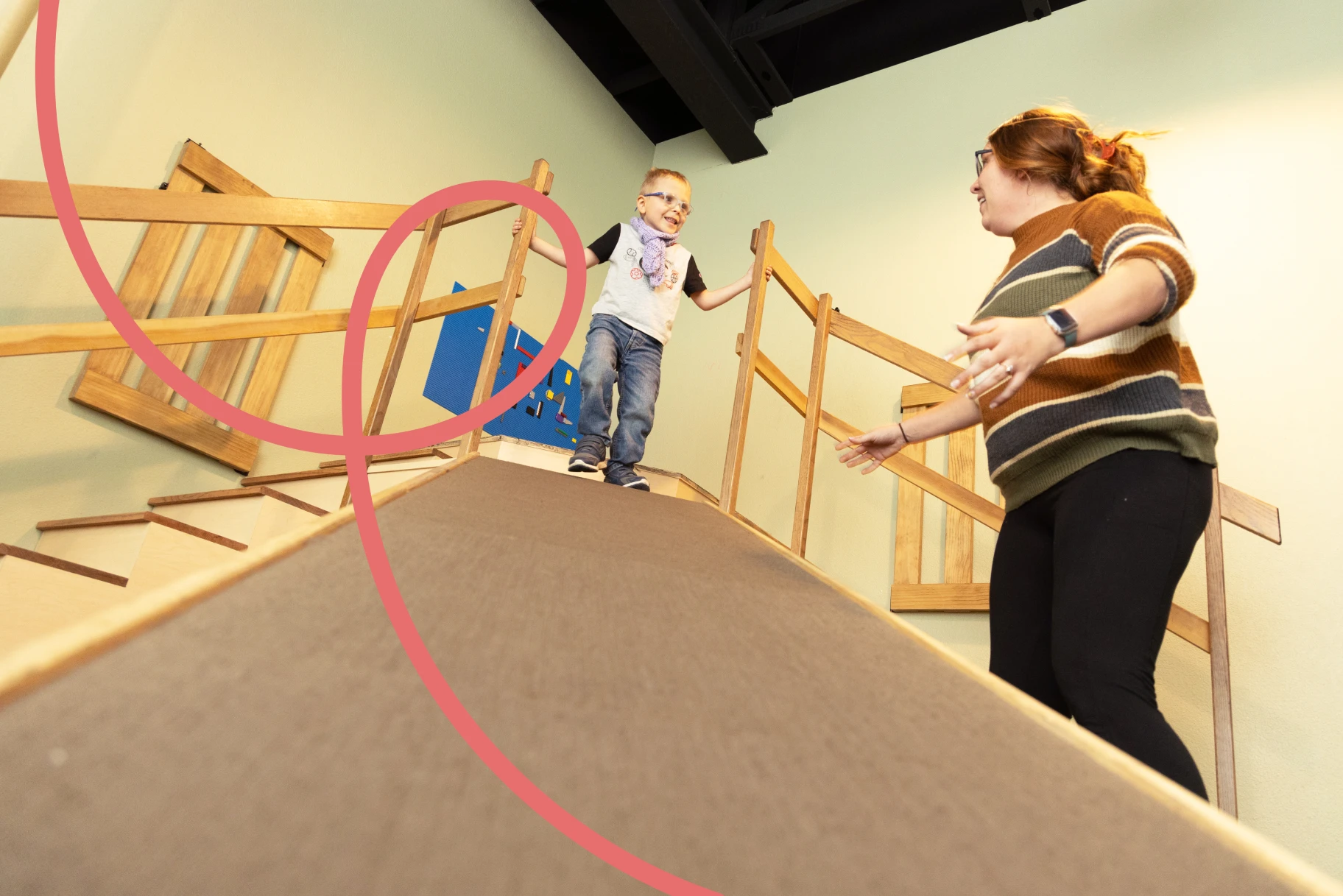
Dynamic Movement Intervention (DMI)
Dynamic Movement Intervention (DMI) is a specialized therapeutic technique used by Woven Care's DMI certified physical therapists to support children with motor delays and movement challenges. DMI is based on the latest research on how the brain and body learn to move. The exercises are carefully chosen to challenge the nervous system in ways that encourage the brain to build new connections — helping children develop stronger foundational movement skills.
DMI is appropriate for children with a wide range of diagnoses, including cerebral palsy, Down syndrome, hypotonia, developmental delay, and other neurological and genetic conditions. Sessions involve hands-on exercises that introduce new and different challenges to create new neural connections. This process supports improved coordination between the brain and body, helping children develop foundational skills and make strides toward developmental milestones.
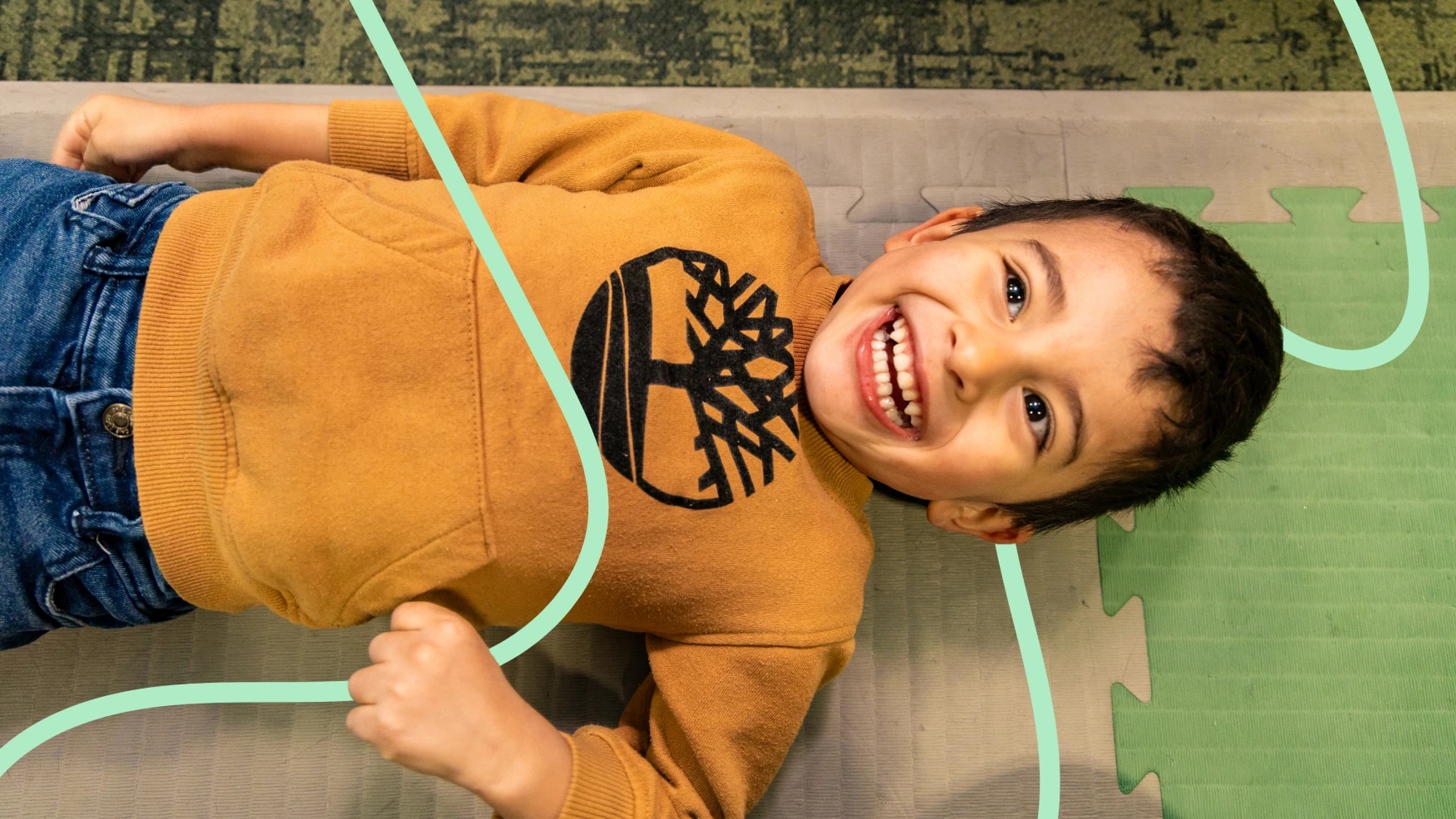
Pelvic Floor Therapy
Woven Care’s pelvic floor physical therapy program helps children build strength, coordination, and awareness of the muscles that support bladder and bowel function, so everyday routines feel easier.
Pelvic floor PT can support with bedwetting, daytime accidents or leaking, bowel movements, urinary urgency, frequency, constipation, or holding, and discomfort or muscle tightness in the pelvic region.
Woven Care’s physical therapists specialize in pediatric pelvic health and use a child-friendly approach so kids feel comfortable from the first visit. Treatment focuses on muscle awareness, breathing, biofeedback, core and pelvic floor coordination, healthy bathroom habits, and family-friendly strategies that carry over at home.
Where we serve
Woven Care has multiple convenient clinic locations across Colorado with new locations coming soon in Salt Lake City, Utah and Kansas City, Missouri. Physical therapy services are currently available in Colorado in Aurora, Colorado Springs, Fountain, Monument, and Pueblo.
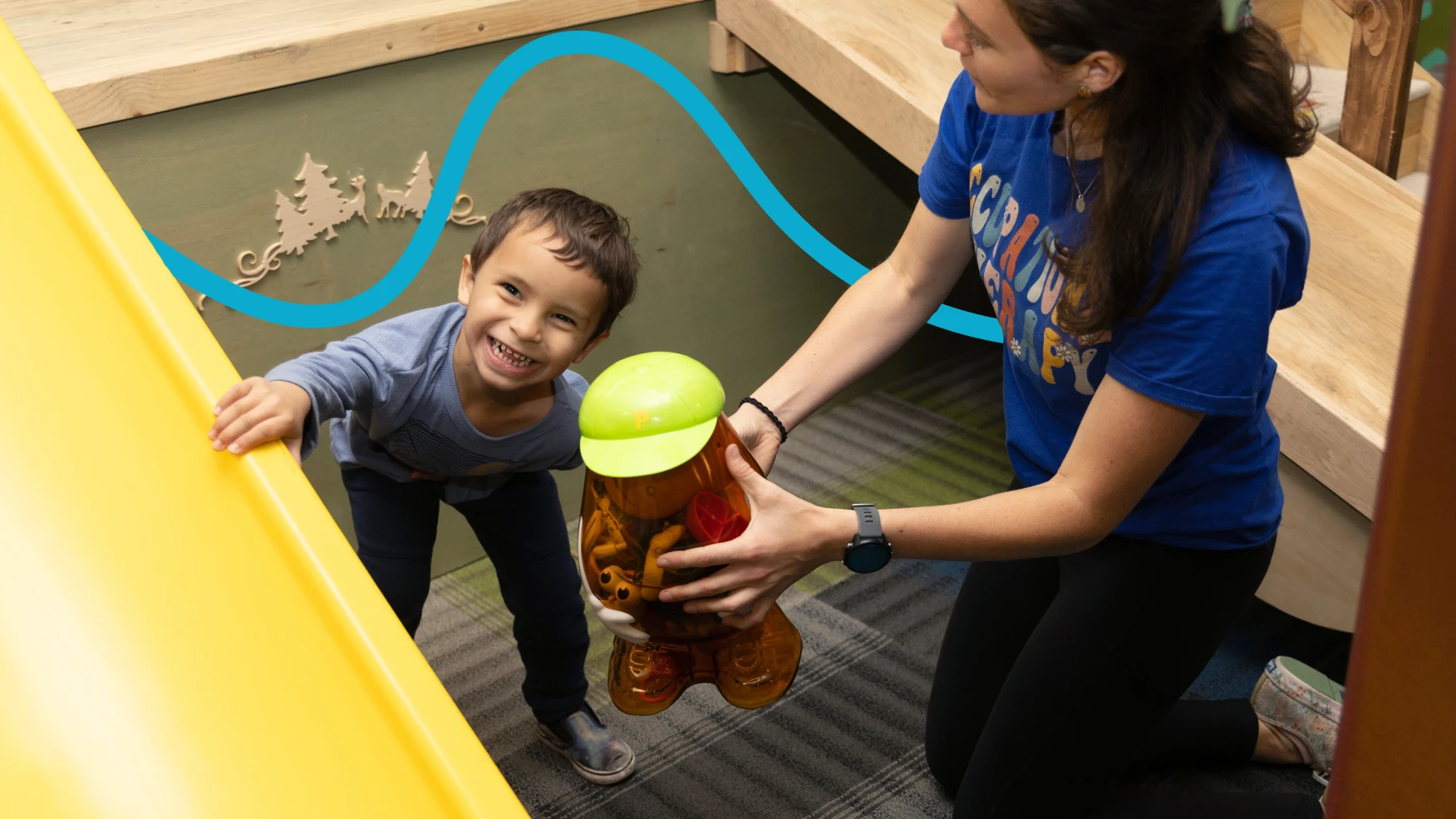
How to get started with physical therapy at Woven Care
Get in touch. Call or submit the online form. The team will follow up within two business days to confirm insurance, discuss next steps, and make sure a referral is in place.
Schedule an evaluation. A licensed physical therapist will conduct a thorough evaluation and recommend services based on the child’s needs.
Begin care. Once a plan is in place, Woven Care schedules recurring sessions and coordinates with the full care team from day one.
What insurance do you take?
Woven Care accepts most major insurance plans and is in-network with Medicaid, TRICARE / TriWest, BCBS, CHP+, and UHC, among many others. From verifying benefits to handling authorizations, we take on the paperwork so you can focus on your child’s progress.

Ready to get started?
Woven Care’s team is here to help families take the next step. Reach out today to learn more or schedule an evaluation.
Frequently asked questions about physical therapy

